Pool Fence, Alarm, and Cover Options for South Florida Homes
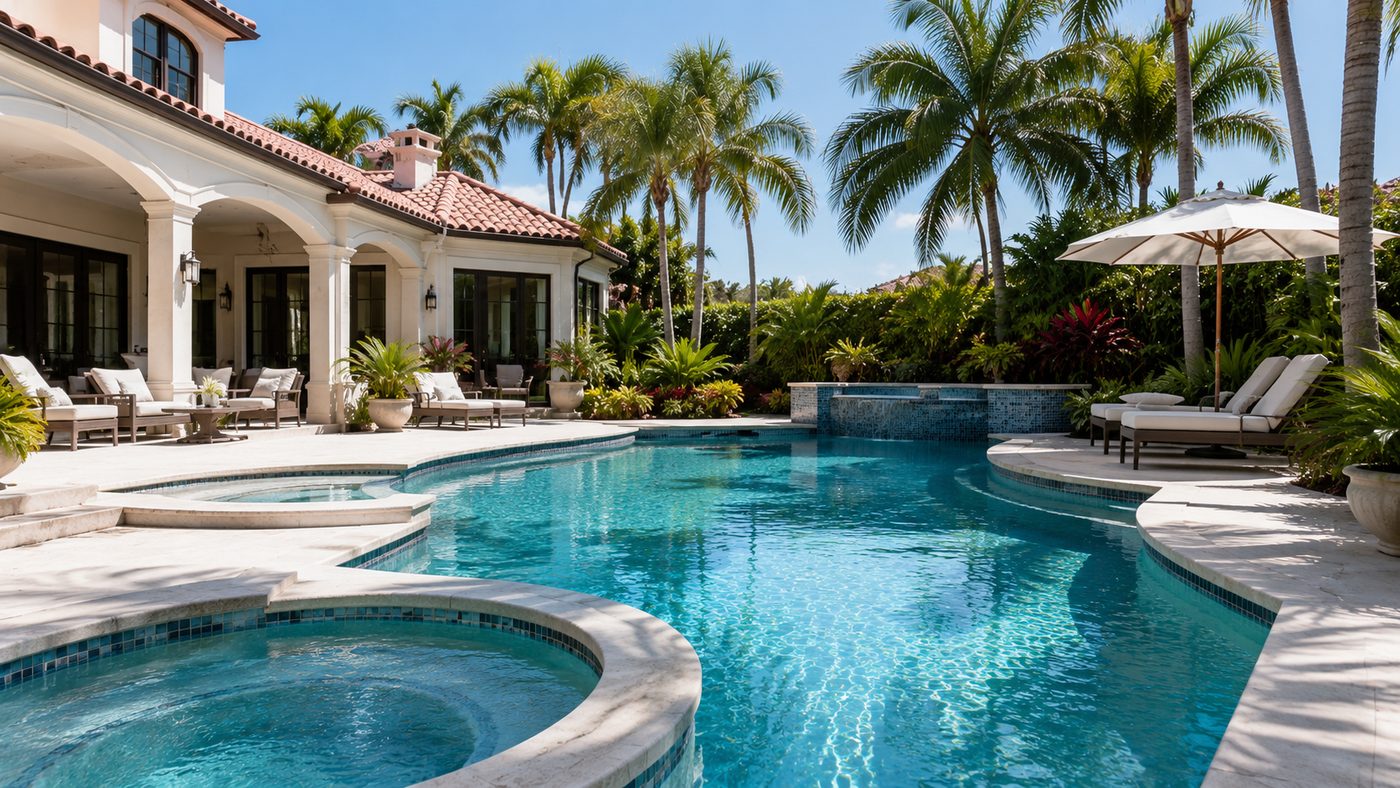
For Boca Raton pool owners, safety and maintenance go hand in hand. A pool can be a great feature for family life and entertaining, but it also needs the right layers of protection and regular care to stay safe, clean, and ready to use. In South Florida, those layers often include a pool fence, a compliant alarm system, and a cover that fits your needs during heavy rain, debris, and storm season. Choosing the right combination depends on your property, your family, and how you use the pool throughout the year.
At Boca Pool Servicing, we work with homeowners who want a pool that is not only inviting, but also easier to maintain in our local climate. Heat, humidity, afternoon rain, strong sun, and hurricane season all affect water balance, algae growth, and equipment wear. If you are comparing pool fence, alarm, and cover options, it helps to understand how each one supports safety and day-to-day pool maintenance in Boca Raton.
Why Layered Pool Protection Matters in South Florida
No single safety feature does everything. A fence helps limit unsupervised access. An alarm can alert you to unexpected entry. A cover can reduce debris, evaporation, and sunlight exposure when the pool is not in use. Together, these features can support a safer backyard and may also reduce some of the chores that come with owning a pool in a warm, wet climate.
For Boca Raton pool owners, layered protection is especially helpful because pools are often used year-round. That means the pool is constantly exposed to UV rays, rainfall, falling leaves, pollen, and organic debris that can affect water quality. Safety features and maintenance routines work best when they complement each other rather than being treated as separate concerns.
Pool Fence Options: Creating a Safer Backyard Layout
A pool fence is one of the most important physical barriers for child and pet safety. The right fence should fit your yard layout, meet local requirements, and still allow practical access for cleaning and service. When considering fence options, homeowners often look at visibility, durability, and how the fence affects the overall look of the backyard.
Common Fence Materials
- Aluminum fencing: Durable, low maintenance, and visually open, which helps with visibility around the pool.
- Mesh pool fencing: Removable or semi-permanent options that can be useful for families who want flexibility.
- Glass fencing: A cleaner modern look with high visibility, though it may require more frequent cleaning in coastal and humid conditions.
- Wood or composite barriers: These may work in some settings, but they can block visibility and may need more upkeep in South Florida weather.
What Boca Raton Homeowners Should Think About
In a climate like ours, fence materials should hold up to sun, salt air, humidity, and frequent rain. Rust resistance, easy cleaning, and secure gates matter. A fence should also leave enough room for pool service access so maintenance can be done without creating extra wear on landscaping or equipment pads.
If you use a Boca Raton pool service, ask how the fence affects access to the skimmer, pump, filter, and equipment area. A well-planned layout can make weekly service more efficient and help your technician keep up with routine maintenance.
Pool Alarms: Adding an Extra Layer of Awareness
Pool alarms are designed to alert you if someone enters the pool area or if the water is disturbed unexpectedly. They are not a replacement for supervision or barriers, but they can be a useful part of a broader safety plan. Different alarm types serve different needs, and the best choice depends on how your home is used.
Types of Pool Alarms
- Gate alarms: Trigger when a fence or pool gate opens.
- Door alarms: Notify you when an exterior door leading to the pool area is opened.
- Surface wave alarms: Detect movement on the water surface.
- Wearable alarms: Used with some safety systems to alert caregivers if a child enters water unexpectedly.
Homeowners in Boca Raton often use alarms as part of a larger family safety routine. They are especially helpful in homes with young children, guests, or multiple access points to the pool area. If you are comparing alarm options, think about how the system will fit into your daily routine and whether it will be easy to maintain and test regularly.
Pool Covers: Safety, Debris Control, and Maintenance Support
Pool covers can help reduce leaves, insects, and other debris, which is especially useful during storm season and periods of heavy wind. They can also reduce evaporation and limit sunlight exposure, which may help slow algae growth when the pool is not in active use. The right cover depends on whether your main goal is safety, cleanliness, or seasonal protection.
Common Cover Options
- Solid safety covers: Help block debris and provide a secure barrier when properly installed and maintained.
- Mesh safety covers: Let water drain through while keeping out larger debris; often easier to manage but may allow finer material through.
- Automatic covers: Convenient for frequent use, though they require proper maintenance and careful operation.
- Leaf nets and seasonal covers: Useful as short-term protection during windy periods or when the pool will not be used for a while.
In South Florida, covers should be considered with the weather in mind. Heavy rain can add stress to some cover types, and standing water on top of a cover should be monitored. If water collects on a cover for too long, it can become a maintenance issue and may affect the pool underneath when removed.
How Safety Features Affect Pool Maintenance in Boca Raton
Safety equipment can influence the way your pool is cleaned and serviced. A fence may change access routes. An alarm may need to be checked after service visits. A cover may need to be removed, secured, or inspected before the pool is brushed, vacuumed, or balanced.
For homeowners focused on pool maintenance in Boca Raton, these features can either simplify or complicate the routine depending on how they are installed and used. A good setup makes it easier to:
- Remove debris before it sinks and affects water chemistry.
- Keep chlorine demand more stable by reducing sunlight and organic contamination.
- Protect the pool during storms and periods of non-use.
- Limit the amount of manual cleaning required after heavy weather.
That said, covers and barriers do not replace water testing or equipment checks. Even with a fence and cover in place, a South Florida pool still needs balanced chemistry, filtered circulation, and regular inspection to prevent algae and protect surfaces.
Water Chemistry and Algae Prevention Around Safety Equipment
Pool covers can reduce sunlight, which may help limit algae growth, but they can also trap heat and moisture under certain conditions. In Boca Raton’s warm climate, algae can develop quickly if sanitizer levels are low, circulation is weak, or debris is left in the pool too long. This is why weekly service remains important even for pools with strong safety features.
Practical Chemistry Tips for Homeowners
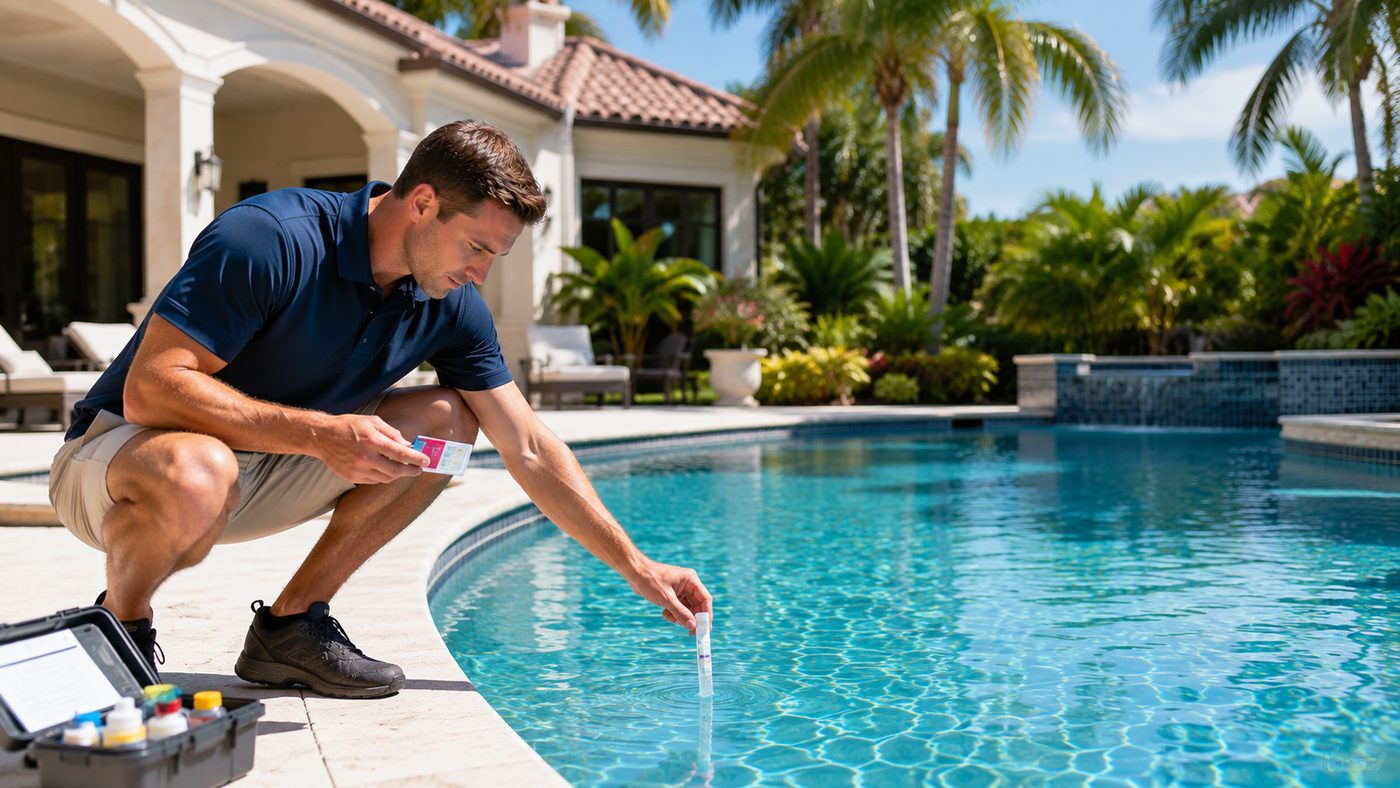
- Test and balance water regularly, especially after heavy rain.
- Keep sanitizer levels in range so the pool stays protected in warm weather.
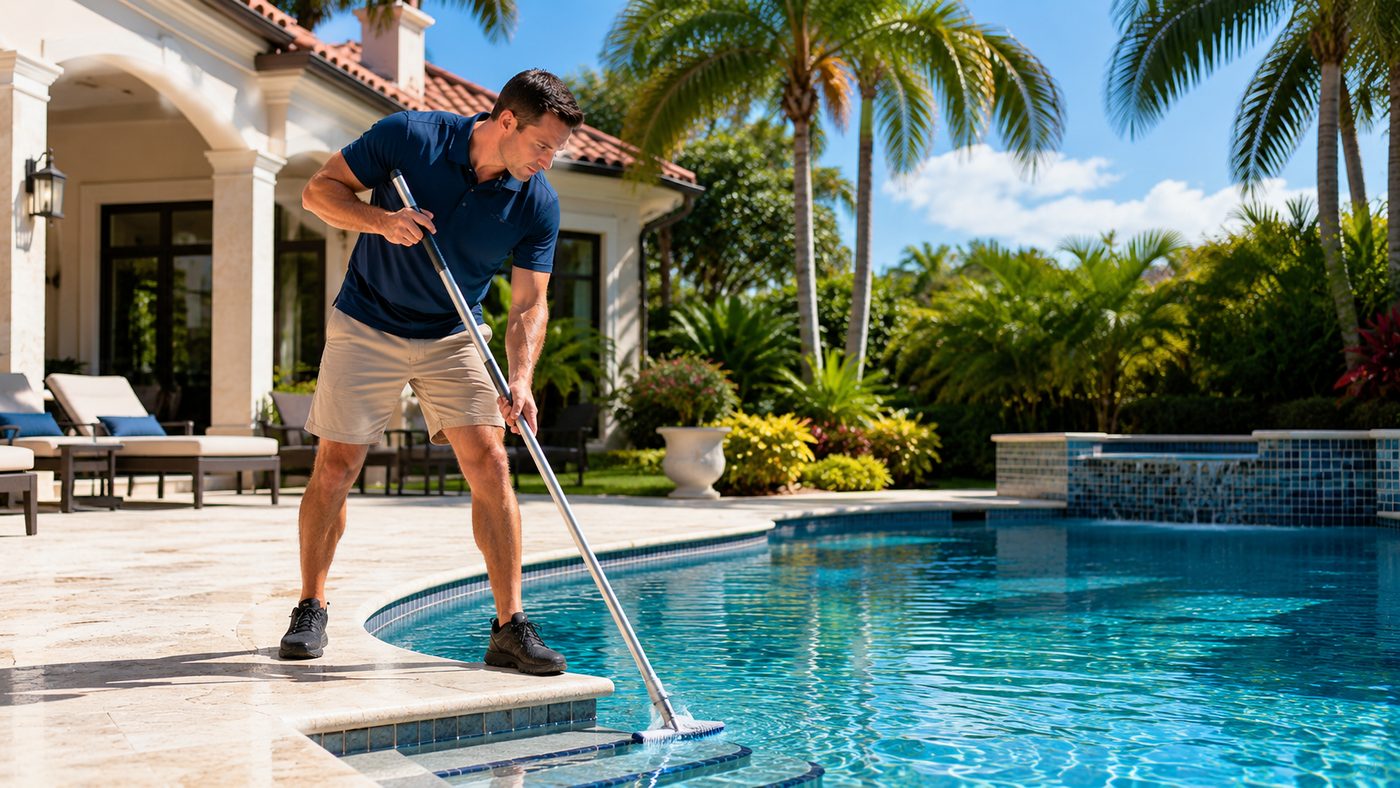
- Brush walls, steps, and shaded areas where algae often begins.
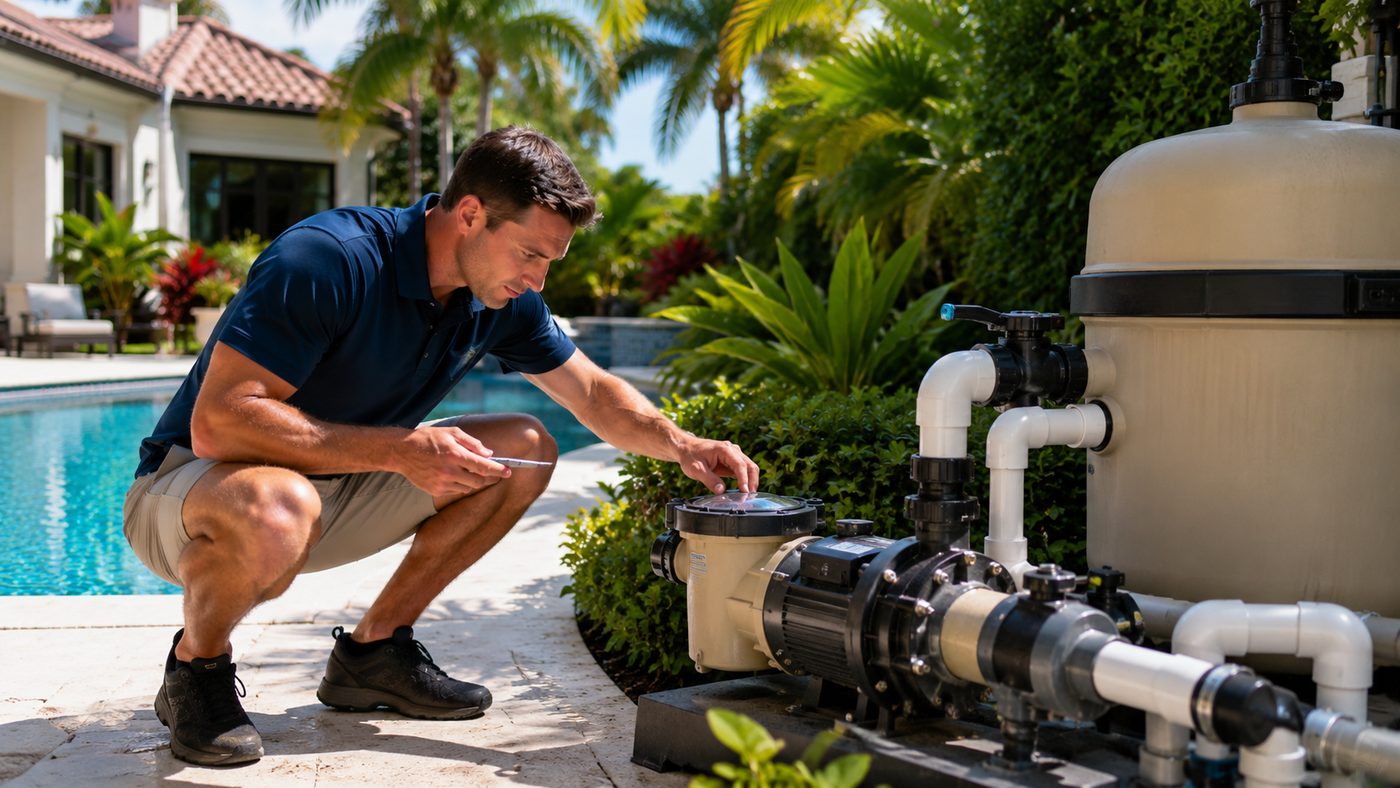
- Make sure the pump and filter are running enough to support circulation.
- Remove leaves and debris promptly, especially after storms.
If a cover is used frequently, inspect the water underneath for color changes or cloudy conditions. A pool that sits covered for too long without circulation can still develop chemistry problems, even if the surface looks protected from the outside.
Storm Season Considerations for Boca Raton Pool Owners
Storm season brings extra challenges for backyard pools. Heavy rain can dilute chemicals, wind can blow in leaves and palm debris, and power outages can interrupt circulation. Pool fences, alarms, and covers all play a role in minimizing risk, but they should be part of a storm-readiness plan.
Before a Storm
- Remove loose furniture and debris from the pool area.
- Secure or inspect your cover if you use one.
- Check the water level so the pool can handle rain without overflowing.
- Make sure gates and latches are working properly.
- Keep pool equipment clear of standing water and runoff.
After a Storm
- Inspect the fence, gate, and alarm system for damage or misalignment.
- Remove debris before it stains surfaces or clogs the skimmer.
- Test the water and rebalance chemistry as needed.
- Check the filter, pump basket, and automation equipment for issues.
Storm cleanup can be more involved than routine maintenance. If your pool has turned cloudy, green, or overloaded with debris, professional help can save time and reduce the chance of equipment strain.
Equipment Care When Using Fences, Alarms, and Covers
Pool equipment should still be easy to inspect and service even when safety features are installed. Gates should not block access to the equipment pad. Covers should not interfere with skimmer function or create hazards around pumps, filters, or heaters. Alarm systems should be tested so they remain reliable after battery changes, weather events, or routine cleaning.
Regular Boca Raton pool service can help catch issues early, such as:
- Reduced circulation from clogged baskets or dirty filters.
- Wear on pump lids, valves, or seals.
- Water chemistry drift after rain or high swimmer load.
- Algae forming in low-flow or shaded areas.
- Damage to covers, tracks, gates, or latches after storms.
When these issues are addressed early, the pool is easier to keep clean and safer to use throughout the year.
When to Call a Professional
It can be helpful to handle simple tasks like clearing leaves or checking a gate latch, but some issues are better left to a professional. Call for help if you notice cloudy water that does not clear, recurring algae, a pump or filter that is not working properly, a cover that no longer fits or operates smoothly, or storm damage to safety equipment.
A professional can also help if you are not sure how to balance a pool after heavy rain, how to keep the water stable under a cover, or how to keep your safety features compatible with ongoing maintenance. For many Boca Raton pool owners, having a dependable weekly service routine is the easiest way to keep everything on track.
FAQ
Do I still need weekly pool service if I have a fence and cover?
Yes. Safety features help with access control and debris management, but they do not replace regular water testing, cleaning, and equipment checks.
Which is better for South Florida: a mesh cover or a solid cover?
It depends on your goals. Mesh covers can be easier to manage and allow drainage, while solid covers may block more debris. Your pool use, storm exposure, and maintenance routine should guide the decision.
Are pool alarms enough on their own?
No. Alarms are best used as part of a layered safety plan with barriers, supervision, and clear backyard rules.
Can a pool cover help prevent algae?
It can help reduce sunlight and debris, but algae prevention still depends on proper sanitizer levels, circulation, and regular maintenance.
Keep Your Pool Safer and Easier to Maintain
If you are comparing pool fence, alarm, and cover options, it helps to think beyond safety alone. The right setup can also make pool maintenance in Boca Raton more manageable, support better water chemistry, and help your pool recover more quickly after storms. For Boca Raton pool owners, that combination can make a real difference in how your pool looks and performs throughout the year.
Boca Pool Servicing is here to help with practical, dependable pool care that fits South Florida conditions. If you need help keeping your water balanced, controlling algae, or maintaining your equipment and backyard pool area, call 561-699-9800 to speak with Boca Pool Servicing about your needs.
Want help keeping your pool clear, safe, and ready to use?
Request Boca Raton pool service help for weekly cleaning, green pool recovery, vacation-home care, equipment concerns, or renovation conversations.